Step-by-Step Guide to Corporate Website Design
The most detailed guide to corporate website design: planning, domain and hosting, CMS selection, SEO, UX/UI design, performance, and launch. Learn how to build a professional, SEO-friendly corporate website — and request a quote from Umay Ajans.

Table of contents
- Why Corporate Website Design Matters
- Key Features of an Ideal Corporate Website
- Planning Your Corporate Website and Setting Goals
- Choosing a Domain and Hosting
- Choosing a Theme and Design
- Working with a Content Management System (CMS)
- SEO Strategies and Best Practices
- User Experience (UX) and Interface (UI) Design
- Performance and Speed Optimization
- Testing and Launching Your Website
- Frequently Asked Questions About Corporate Website Design
- Want us to test your website?
Why Corporate Website Design Matters
Branding and Building Trust
Corporate website design matters enormously because your website is your company's face in the digital world. First impressions always count, and your website is where potential customers form their first impression of your business. A professional design reflects your credibility and seriousness. It also supports brand consistency, helping your company maintain the same visual identity across every digital and physical communication channel.Increasing Customer Engagement
User-friendly interfaces and simple navigation let visitors move around your site with ease, which in turn increases customer engagement. Fast, effective communication tools give users instant answers to their questions and improve customer satisfaction. Corporate web design helps you communicate better with your customers and build long-term relationships.SEO Advantages
Corporate web design also delivers major advantages for search engine optimization (SEO). An SEO-friendly site helps you rank higher in search engines and grows your organic traffic. With Google Analytics and other SEO tools, you can analyze your site's performance and make the improvements it needs. Keyword optimization, meta tags, and regular content updates all make your site more visible in search results.Improving Conversion Rates
Creating targeted content is essential for improving conversion rates. Content that speaks to your visitors' needs and expectations keeps them on your site longer and positively influences their purchase decisions. With A/B testing, you can trial different design and content strategies and identify what works best.Key Features of an Ideal Corporate Website
User-Friendly Interface and Navigation
Corporate website design should include a simple, intuitive menu structure that users can navigate effortlessly. Adding quick links to important pages improves the user experience and keeps visitors on your site longer. A user-friendly interface has a positive impact on the overall experience of your site.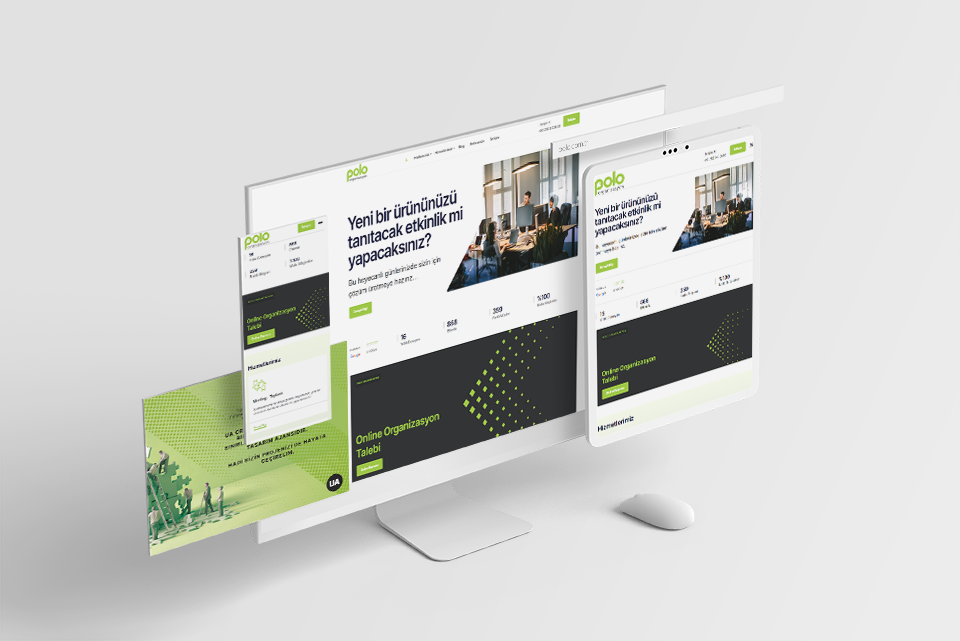
Mobile Responsiveness and Speed Optimization
Mobile devices account for the majority of web traffic today. That makes responsive design essential, so your site works flawlessly on every device. Speed optimization also plays a critical role in user experience. Optimizing images and cleaning up unnecessary code reduces page load times and improves your site's performance.Security Measures and SSL Certificates
Your website's security is vital for protecting user data. Security plugins help defend your site against cyberattacks, and SSL certificate integration keeps data safe. A secure website builds user trust and supports customer satisfaction.SEO-Friendly Content and Meta Tags
Keyword optimization is central to building an SEO-friendly site. Weaving keywords naturally into your content and writing unique, descriptive meta tags for every page helps your site rank higher in search engines. Image optimization and alt text also matter for SEO.Planning Your Corporate Website and Setting Goals
Defining Your Target Audience
The first step in any corporate website design process is identifying your target audience. Demographic and behavioral analysis reveals who your potential customers are and what they respond to. These insights help you shape your site's content and design around your audience.Setting Site Goals and Success Criteria
Defining clear goals and success criteria is essential for measuring your website's performance. Key Performance Indicators (KPIs) such as visitor numbers, conversion rates, and user engagement let you evaluate how the site is doing. These metrics help you track performance over time and make the improvements you need.Competitor Analysis and Market Research
Analyzing your competitors' websites reveals their strengths and weaknesses, and gives you ideas for making your own site better. Market research also helps you understand current industry trends and user expectations so you can optimize your site accordingly.Choosing a Domain and Hosting
Picking the Right Domain Name
During the corporate website design process, choosing a short, memorable domain name that reflects your brand is essential. The right domain makes your site easy to remember and strengthens your brand. Opting for widely trusted extensions such as .com or .net also adds credibility.Reliable, High-Performance Hosting Providers
Your website's performance depends on the quality of the hosting provider you choose. A reliable, fast hosting provider keeps your site running smoothly without interruptions. Providers that offer solid technical support can also resolve potential issues quickly.Hosting Types and Selection Criteria
Choosing the right hosting type matters for corporate websites. Shared hosting can be a cost-effective option for small and mid-sized projects. For larger projects and high-traffic requirements, consider VPS or dedicated hosting. Weigh criteria such as performance, security, and support services when making your choice.Choosing a Theme and Design
What to Look for in a Professional Theme
Your corporate website's design should represent your brand at its best. When choosing a professional theme, make sure it is compatible with WordPress or other CMS platforms and offers customization options. That way, you can tailor the site to your needs and achieve a distinctive look.Free vs. Premium Themes
Free themes offer basic features and can work for small projects. Premium themes, however, come with more advanced features, professional support, and richer customization options. For corporate website design, premium themes are the better choice for a professional, fully functional site.Customizing Your Theme to Match Your Brand Identity
To reflect your brand identity, customize your theme's colors, typography, and imagery. Use your brand's color palette and typefaces to keep the site consistent and professional. Integrate your logo and brand visuals into the site as well.Working with a Content Management System (CMS)
WordPress and Other CMS Platforms
WordPress is one of the most popular and flexible CMS platforms, known for its user-friendly interface and vast library of themes and plugins. Alternatives such as Joomla, Drupal, and Wix are also available, each offering different features suited to different projects. Choosing the CMS that best fits your needs is an important part of the corporate website design process.CMS Selection Criteria and Integrations
When choosing a CMS, consider factors such as ease of use, customization options, and integration capabilities. A CMS that is easy to manage and update lets you edit content quickly and effectively. Prefer a CMS that integrates with other systems such as CRM, e-commerce platforms, and analytics tools.Content Management and Updates
Easy content management and regular updates keep your corporate website fresh and engaging. Use a user-friendly CMS so you can manage your content and add new material with ease. Build a regular publishing schedule for blog posts, news, and other content, and organize everything with categories and tags.SEO Strategies and Best Practices
Keyword Research and Usage
Keyword research is the foundation of every SEO strategy. Using tools such as Google Keyword Planner, Ahrefs, and SEMrush, you can research keywords and optimize your content around your audience's search habits. Use keywords naturally in titles, meta descriptions, URLs, and body copy to help your site rank higher in search engines.Creating SEO-Friendly Content
Valuable, informative content improves your SEO performance and keeps users on your site longer. Enrich your content with images and videos to increase engagement. Publish new content regularly to keep your site current and more visible in search engines.Technical SEO and Sitemaps
Technical SEO directly affects your site's performance and search rankings. Site speed and mobile responsiveness are critical SEO factors. Analyze your site's speed with tools such as Google PageSpeed Insights and GTmetrix and make the necessary improvements. Create an XML sitemap so search engines can index your site more effectively, and use SEO-friendly URL structures.Backlink Strategies and Local SEO
Quality backlinks increase your site's domain authority and help you rank higher in search engines. Earn backlinks from trusted, authoritative sites in your industry to improve your SEO performance. Local SEO strategies also make you more visible in regional search results. Create a Google My Business profile and target local keywords to strengthen your local SEO performance.User Experience (UX) and Interface (UI) Design
User-Friendly Design Principles
A user-friendly design is the key to your site's success. A simple, consistent design lets users navigate comfortably. Establish a visual hierarchy to highlight important information and make the site easier to read.Visual Hierarchy and Readability
Color and typography shape both visual hierarchy and readability. Use your brand's color palette consistently to build visual hierarchy, and choose appropriate typefaces and sizes to improve readability.Interactive Elements and Boosting Conversions
Interactive elements encourage users to engage with your site. Guide visitors with striking, effective call-to-action buttons. Add forms and surveys to collect user feedback and increase interaction. Done well, corporate website design drives your conversion rates up.Performance and Speed Optimization
Why Page Load Speed Matters
Page load speed is critical for both user experience and SEO. Fast-loading pages keep users on your site longer and help you rank higher in search engines. Google uses page speed as a ranking factor, so optimizing load times is essential.Image Optimization Techniques
Image compression is an effective way to cut page load times. Optimize your images using appropriate formats such as JPEG, PNG, and WebP. Cleaning up unnecessary code and keeping your codebase minimal also improves your site's performance.Browser Caching and CDNs
Browser caching makes pages load faster on repeat visits, so use it to improve your site's performance. You can also boost your site's global performance with content delivery networks (CDNs), which distribute your content faster around the world and improve the user experience.Testing and Launching Your Website
Functional and Performance Testing
Before launch, run thorough functional and performance tests to make sure everything works flawlessly. Test all links, forms, and features to confirm they behave as expected. Use performance testing to analyze your site's speed and overall performance.The Launch Process and What to Watch For
Take a full backup before going live and verify that every page works correctly. Run final checks during the launch process to catch any gaps or errors. After launch, be ready to collect user feedback and make the improvements it calls for.User Feedback and Continuous Improvement
User feedback helps you improve your website's performance and user experience. Make it easy for users to share feedback about your site, and iterate continuously based on what you learn. Keeping your website up to date and meeting user expectations raises customer satisfaction. Corporate website design is the key to representing your brand powerfully in the digital world. We strengthen your business's online presence with professional, user-friendly, SEO-friendly websites. To learn more about the services Umay Ajans offers, get in touch with us!Frequently Asked Questions About Corporate Website Design
How long does corporate website design take?
The timeline for a corporate website depends on the project's complexity and features. A simple site can be completed within a few days, while more complex sites can take 3 months or longer. At Umay Ajans, we plan every project carefully and build a timeline around each client's needs.
How much does corporate website design cost?
The cost of a corporate website varies with the site's features, theme and plugin choices, and the scale of the project. For a detailed quote tailored to your requirements, please get in touch with us.
Which CMS platform should I use?
WordPress, the most popular CMS platform, stands out with its user-friendly interface and extensive theme and plugin ecosystem. At Umay Ajans, we implement the WordPress solutions that best fit your project's requirements.
How do you create SEO-friendly content?
To create SEO-friendly content, do keyword research, weave keywords naturally into your content, use meta tags, and optimize your images. Publishing fresh, valuable content on a regular basis matters too. At Umay Ajans, we help you make your content strategy SEO-friendly.
How can I keep my website secure?
To keep your website secure, use SSL certificates, install security plugins (such as Wordfence or Sucuri), and apply updates regularly. Use strong passwords and take regular backups as well. At Umay Ajans, we plan every step needed to secure your website together with you.
Which features matter most in corporate website design?
A user-friendly interface, mobile responsiveness, fast load times, security measures, SEO-friendly content, and visual hierarchy are the essential features of corporate website design. A design that reflects your brand identity and an effective content management system are also critical.
How are maintenance and updates handled after a corporate website goes live? Which features matter in website design?
Regular maintenance and updates after launch are essential for protecting your site's performance and security. Software updates, security patches, content updates, and performance optimizations should be carried out on a regular basis. At Umay Ajans, we provide ongoing support to keep your website maintained and up to date.
Why is mobile responsiveness important in website design?
Mobile responsiveness ensures your website works flawlessly across devices (smartphones, tablets, and more). Since mobile devices generate the majority of web traffic today, a mobile-friendly design improves the user experience and boosts SEO performance. At Umay Ajans, we design every website to be fully mobile responsive.
How can I make my website faster?
To speed up your website, optimize images, clean up unnecessary code, and use browser caching and a CDN (Content Delivery Network). Minimal code and asynchronous loading techniques also improve site speed. At Umay Ajans, we take every step needed to optimize your website's speed.
Which colors should I use in corporate website design?
Choose colors that reflect your brand identity. Color directly shapes brand perception and user experience. Using your brand's color palette consistently creates a professional, trustworthy look. At Umay Ajans, we help you define your brand's color strategy.
Would you like to work with us? Request a quote and we will reach out to you.

Want us to test
your website?